

Understanding Low Back Pain and Its Impact
Low back pain is a widespread health issue with significant costs, both directly in medical expenses and indirectly in lost productivity. While acute low back pain generally has a positive prognosis, many individuals continue to experience pain and disability.
Beyond the physical causes of low back pain, psychological and social factors play a crucial role in recovery. Fear-avoidance beliefs, depression, and passive coping strategies have been linked to worse outcomes. Patients’ attitudes and beliefs about their pain can influence their behaviours and expectations, ultimately impacting their recovery journey.
The Influence of Health Care Professionals

A key finding of a recent study is the significant and long-lasting influence that healthcare professionals have on patients’ beliefs about low back pain. While patients seek information from multiple sources—family, friends, and the internet—clinicians remain the most trusted and influential figures in shaping their understanding of pain, prognosis, and management strategies.
Many patients initially feel uncertain about their pain and seek guidance to make sense of their condition. The messages they receive from clinicians can shape their approach to movement, activity, and self-care. Clinicians who emphasize protection and avoidance of movement may inadvertently reinforce fear and anxiety, leading patients to adopt overly cautious behaviours. Conversely, those who provide reassurance and encourage activity can foster confidence and resilience.
The Consequences of Protection-Based Messaging
A common theme among participants was the belief that their back was vulnerable and required protection. Many reported being advised to adopt specific postures, strengthen certain muscles, or avoid particular movements. While these recommendations were intended to prevent further injury, they often led to increased vigilance, worry, and frustration when expected improvements did not occur. Some patients even experienced guilt when they felt they had failed to adhere to prescribed strategies.
Avoidance behaviours, fueled by fear of pain or reinjury, can negatively impact recovery. Research suggests that movement and activity are essential for improving low back pain outcomes, yet many patients continue to receive messages that reinforce inactivity.
The Power of Reassurance and Positive Messaging
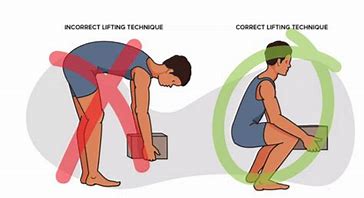

Despite the prevalence of protection-based advice, the study also highlighted the positive impact of reassurance and encouragement. Patients who were advised to stay active and keep moving reported greater confidence and a more proactive approach to managing their pain. Simple, clear messages emphasizing recovery and resilience had a lasting influence, helping patients view new episodes of pain as manageable rather than catastrophic.
Implications for Clinical Practice
Given their profound influence, healthcare professionals must be mindful of the messages they convey to patients with low back pain. Providing clear, evidence-based guidance that promotes movement, activity, and self-efficacy can help shape more positive beliefs and better long-term outcomes.
Rather than focusing on protection and avoidance, clinicians should:
- Check patients’ understanding to ensure messages are interpreted as intended.
- Encourage gradual movement and activity.
- Provide reassurance that most low back pain is not serious and improves over time.
- Avoid pathoanatomic explanations that may reinforce fear and helplessness.
Conclusion
Beliefs about low back pain are shaped by multiple influences, but healthcare professionals play the most significant role. The messages patients receive—whether reinforcing fear or building confidence—can have lasting effects on their recovery and quality of life. By fostering positive attitudes and encouraging movement, clinicians can help patients navigate their pain more effectively and reduce the risk of chronic disability.
*based on “The Enduring Impact of What Clinicians Say to People with Low Back Pain.”
- Ben Darlow, MSportsPhysio
- Anthony Dowell, MBChB
- G. David Baxter, DPhil
- Fiona Mathieson, MA
- Meredith Perry, PhD
- Sarah Dean, PhD
Leave a Reply