
Chronic diseases like diabetes, heart disease, arthritis and mental health conditions are now the leading causes of illness around the World. These aren’t just medical issues—they’re deeply connected to how we live.
We’re sitting more, eating fewer whole foods, spending more time on screens and using more substances like alcohol, tobacco and vaping products. These lifestyle shifts are taking a toll on our health.
According to the Bureau of Statistics, one in two people lives with a chronic condition. For people over 65, 1 in 2 has two or more illnesses.
So what can be done?
Lifestyle Medicine
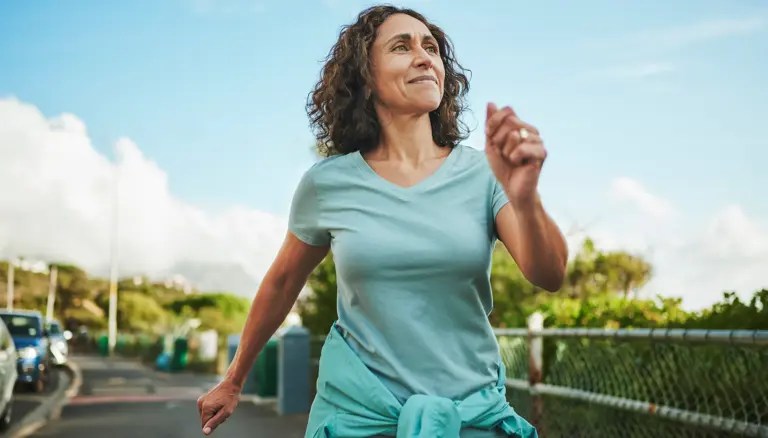
Lifestyle medicine is a growing approach to healthcare that focuses on the root causes of disease—our behaviours, environment and social lives—not just the symptoms.
It’s based on simple, evidence-based practices:
- Reconnecting with nature
- Eating well
- Moving your body
- Sleeping better
- Reducing harmful substances
- Building strong social connections
- Managing stress and mental health
Practising four simple lifestyle behaviours—not smoking, eating well, exercising regularly and maintaining a healthy weight—can prevent 90% of diabetes, 80% of heart disease and 35% of cancers.
Even conditions like dementia and cancer recurrence are now being linked to lifestyle habits.
Treating, Not Just Preventing
Lifestyle medicine doesn’t just stop chronic diseases from developing—it can also help reverse them.
Exciting research showing improvements (and even remission) in:
- Type 2 diabetes
- Fatty liver
- Heart disease
- Chronic pain
- Mental health conditions
- Cognitive decline
And in people undergoing cancer treatment, physical activity has been shown to improve outcomes and reduce the chance of the cancer returning.
Why Movement Matters

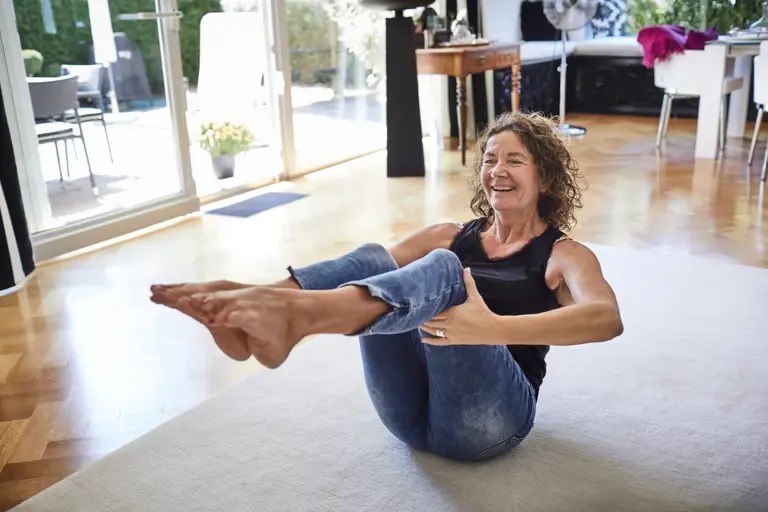
Physical activity is at the heart of lifestyle medicine—and for good reason.
It affects every part of the body, right down to the cellular level. It reduces inflammation, improves metabolism, supports mental health and works better when combined with other lifestyle changes like better nutrition or therapy.
In fact, research shows that:
- People who are more physically active use 15% less medication for mental health conditions.
- Exercise can be as effective as medication for depression and anxiety.
- It can enhance the effects of psychotherapy, especially when done right after a session.
Bottom line:
Lifestyle medicine is reshaping how we think about health. It’s not just about treating diseases after they happen—it’s about preventing, reversing and transforming them by addressing the root causes. And with more professionals on board, it’s a movement that’s only just getting started.
 Holistic Physio Osborne Park | Chronic Pain & Clinical Pilates – Design To Move
Leave a comment