

Have you ever experienced persistent physical symptoms that doctors couldn’t fully explain? If so, you’re not alone. Somatic Symptom Disorder (SSD), previously known as somatoform disorder, is a condition where physical symptoms—such as pain, fatigue, or neurological issues—cause significant distress, even when no clear medical cause is found.
The Mind-Body Connection
Mental and physical health are deeply connected. Stress, trauma, and anxiety can manifest as physical symptoms, making daily life challenging. People with SSD may frequently visit doctors, undergo tests, or excessively research their symptoms. Others may avoid medical care altogether due to fear and anxiety.

It’s important to realize that people with somatic symptom disorder are not faking their symptoms. If you have a somatoform disorder, your distress—both physical and mental—is not “all in your head.”
According to the DSM-5 criteria, someone with somatic symptom disorder may or may not have a medical condition that’s causing them symptoms. Still, they have a disproportionate reaction to the symptoms and devote excessive amounts of time and energy to thinking about, worrying about, and monitoring their health. Sometimes the symptoms can mimic a serious, sudden-onset physical or neurological symptom (e.g., blindness, numbness, paralysis, difficulties with coordination, loss of pain or touch, or the inability to speak) without any biological cause. People suffering from somatoform disorders often present with intense and persistent somatic distress, which cannot be explained by an underlying medical condition. These physical symptoms may include pain, gastrointestinal disorders, neurological symptoms, or multiple somatic complaints.
Polyvagal Therapy: A New Approach to Healing
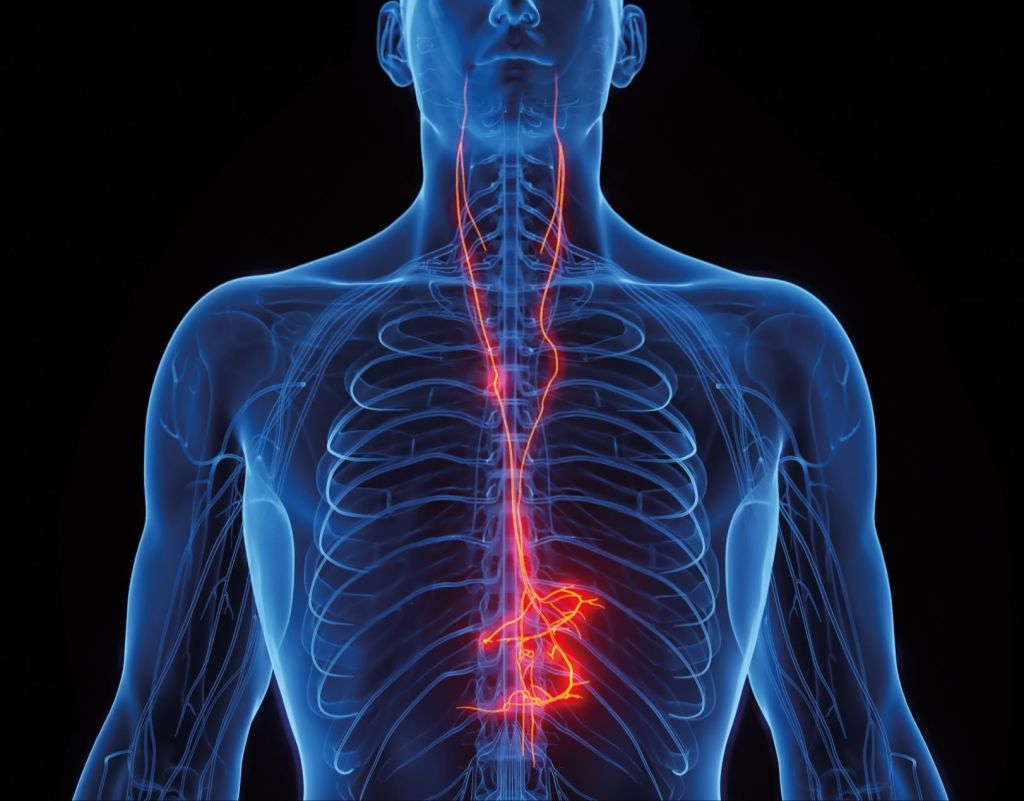
Polyvagal therapy is an approach that focuses on how our nervous system responds to stress. This therapy helps individuals understand the connection between their emotions and physical symptoms and teaches them how to regulate their nervous system.
How Polyvagal Therapy Helps
Processing Trauma Safely – Addressing past emotional wounds that may contribute to physical distress.
Developing Body Awareness – Understanding how emotions impact physical sensations.
Regulating the Nervous System – Techniques like deep breathing and relaxation exercises to calm the body.
A Real-Life Example

Sophie, a 42-year-old woman, struggled with chronic pain for years. Through polyvagal therapy, she learned to recognize how her emotional state affected her pain. By practicing mindfulness and breathing techniques, she gained better control over her symptoms and improved her quality of life.
Final Thoughts
If you or someone you know experiences unexplained physical symptoms, know that healing is possible. Your symptoms are real, and with the right support, you can regain balance in both mind and body.
 Holistic Physio Osborne Park | Chronic Pain & Clinical Pilates – Design To Move
Leave a comment