
Entrapment neuropathies are among the most common causes of neuropathic pain, with conditions such as carpal tunnel syndrome (CTS), radiculopathies, and radicular pain leading the list. Despite their prevalence, these conditions can be challenging to diagnose and treat in clinical settings.
What Are Entrapment Neuropathies?
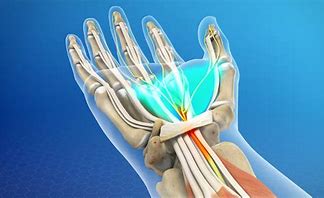
These conditions occur when peripheral nerves are compressed or irritated as they pass through narrow anatomical spaces.
Sciatica: A broad term encompassing radicular pain, radiculopathy, and somatic referred pain, with prevalence estimates ranging from 1.6% to 43%.
Carpal Tunnel Syndrome (CTS): The most common entrapment neuropathy, with a 10% lifetime risk, increasing dramatically to 84% in people with diabetes.
Cubital Tunnel Syndrome: The second most common form.
Risk Factors
Although the exact causes are not fully understood, several factors increase the likelihood of developing these conditions:
Genetics: Emerging studies link genetic predisposition, especially genes affecting connective tissue and extracellular matrix, to increased vulnerability.
Systemic conditions: Diabetes, hypothyroidism.
Lifestyle factors: Increased BMI, occupational/physical strain.

Pathophysiology of Entrapment Neuropathies
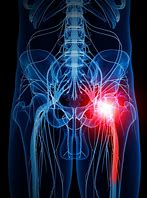
1. Ischemia, Edema, and Fibrosis
Prolonged compression disrupts blood flow to nerves, leading to swelling (edema) and scarring (fibrosis). This reduces nerve mobility and impairs function.
2. Demyelination and Axon Damage
Compression can cause demyelination (loss of nerve insulation) and axonal degeneration, leading to sensory loss, weakness, and reflex changes.
3. Neuroinflammation
Chronic nerve compression triggers immune responses, releasing inflammatory mediators that break down the blood-nerve barrier. This sensitizes nerves and contributes to pain.
4. Central Nervous System (CNS) Changes
Peripheral nerve injuries often cause central adaptations, such as cortical reorganization and hypersensitivity (changes in your brain).
5. Psychosocial Factors
Psychological factors such as stress and mood can influence pain perception and recovery. Entrapment neuropathies significantly affect quality of life, particularly in conditions like lumbar radicular pain.
Management
Physiotherapy and Occupational Therapy
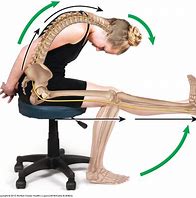
Sciatica: Physiotherapy is the first-line treatment. Neural mobilizations may benefit patients with heightened neural mechanosensitivity, and targeted, personalised approaches are the most comprehensive.
Carpal Tunnel Syndrome (CTS): For mild-to-moderate CTS, therapies may include advice, splinting, electrophysiological agents, manual therapy, and exercises. Splinting, typically recommended at night, shows limited short-term benefit.
Pharmacological Interventions
- Carpal Tunnel Syndrome: Oral medications, including NSAIDs, diuretics, and vitamin B6, are generally ineffective. Local steroid injections provide short-term relief but are not a long-term solution.
- Sciatica: Similar results are seen with pharmacological treatments such as NSAIDs, corticosteroids, opioids, and neuropathic pain medications, with most showing no significant benefit over placebo. Corticosteroid injections may provide temporary relief.
- The limited efficacy of medications highlights the need for better understanding of pathomechanisms and patient stratification to identify subgroups that might respond to specific treatments.
Surgical Interventions
Sciatica: Lumbar microdiscectomy is often performed to relieve nerve root compression caused by herniated discs. While surgery offers rapid pain relief, long-term outcomes are comparable to conservative management. Surgery should be reserved for cases with severe or progressive neurological deficits or persistent symptoms unresponsive to non-surgical options.
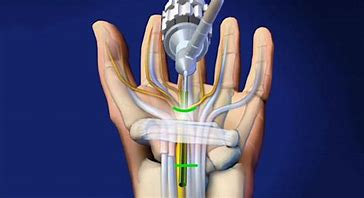
Carpal Tunnel Syndrome: Carpal tunnel decompression is the most common upper-limb surgery, with both open and endoscopic techniques proving effective. However, up to 25% of patients may not benefit, and potential complications include scar tenderness, persistent symptoms, and reduced grip strength. Surgery is indicated for moderate-to-severe or worsening symptoms that impair daily functioning and do not respond to conservative treatment.
Key Takeaways
- Entrapment neuropathies are prevalent but often underdiagnosed.
- Early detection requires attention to both large and small nerve fibers.
- Management involves physiotherapy, pharmacological interventions, and, in some cases, surgery.
- Future research is essential to refine diagnostic tools, optimize treatment strategies, and improve patient outcomes.
* based on Entrapment neuropathies: a contemporary approach to pathophysiology, clinical assessment, and management
Annina B. Schmida, Joel Fundauna, Brigitte Tampinc,
 Holistic Physio Osborne Park | Chronic Pain & Clinical Pilates – Design To Move
Leave a comment