

For decades, the understanding and treatment of pain have been largely rooted in a biomechanical model, emphasising structural abnormalities detected through imaging and special tests as the primary culprits. However, mounting evidence challenges this notion, suggesting that pain is far more complex and often independent of tissue damage. This shift towards a biopsychosocial approach has redefined how clinicians assess and treat pain, focusing on the interplay of biological, psychological, and social factors.
The Flaws in Special Tests

Special tests, designed to provoke pain and diagnose structural issues, have long been a staple in clinical assessments. Yet, research highlights their limitations:
Limited Diagnostic Utility: Special tests can sometimes confirm or disprove a hypothesis, but they rarely add significant value beyond the initial subjective assessment. Pain provocation alone does not explain the root cause or underlying factors.
Subjective Overlap: Approximately 80% of a diagnosis is derived from subjective patient examination, such as history-taking and understanding symptoms. Special tests often confirm what is already evident.
Imaging: A Double-Edged Sword
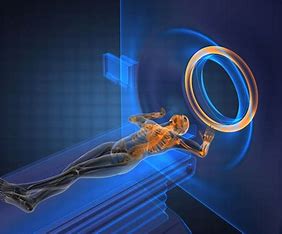
The role of imaging, such as MRIs and ultrasounds, is increasingly questioned in non-traumatic pain scenarios. Studies reveal startling inconsistencies:
Potential Harm: Early imaging within the first 12 weeks of non-traumatic pain has been linked to a higher likelihood of developing chronic pain. Additionally, imaging can heighten patient anxiety when they encounter alarming but often benign terms like “degenerative joint disease” online.
Common Yet Harmless Pathologies: Imaging often detects structural abnormalities—like spurs, osteoarthritis, bursitis, or tendinopathy—that are present in both symptomatic and asymptomatic individuals. For instance, a study found that 85% of people with shoulder pain had similar abnormalities in their non-painful shoulders.
Inconsistent Interpretations: Radiologists frequently disagree when interpreting the same scans, underscoring the subjective nature of imaging diagnoses.
The Disconnect Between Structure and Pain
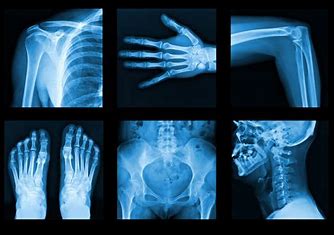
Pain cannot be reliably linked to structural changes visible on scans. Many findings represent age-related changes rather than active pathology. Conditions like partial tears or tendinopathy often exist without causing symptoms, disproving the belief that eliminating visible abnormalities will always resolve pain. This highlights the need to move beyond the “fix the structure” mindset.
Understanding Pain as an Individualized Experience
Pain is deeply personal and influenced by various contextual and psychosocial factors, including:
Day-to-Day Context: Factors such as sleep quality, work satisfaction, relationships, and stress levels significantly shape pain experiences. Even emotions like anger or frustration can heighten pain sensitivity.
Lifestyle and Health: Obesity, smoking, lack of exercise, and comorbidities (e.g., diabetes, cardiovascular disease) increase the risk and severity of pain.
Mental Health and Beliefs: Stress, anxiety, and a patient’s understanding of their condition can amplify pain perception and hinder recovery. A negative healthcare experience or misinformation from the internet can further exacerbate concerns.

The Role of Diagnosis in the Biopsychosocial Model

While imaging and tests have limitations, diagnosis remains crucial for:
Providing Reassurance: Helping patients understand their condition, fostering trust, and setting realistic expectations for recovery.
Excluding Red Flags: Ensuring no serious underlying conditions are missed.
Guiding Care: Developing a tailored treatment plan that considers the individual’s unique biopsychosocial profile.
A New Direction: Focus on Holistic Interventions
Rather than zeroing in on structural abnormalities, modern pain management emphasizes:
Education: Helping patients understand that abnormalities seen on scans are often benign and age-related, reducing unnecessary fear.
Lifestyle Modifications: Encouraging exercise, healthy eating, and stress reduction.
Psychosocial Support: Addressing mental health, patient beliefs, and social factors impacting recovery.

Conclusion
Pain is a multifaceted experience, rarely a direct result of tissue damage. A biopsychosocial approach acknowledges the intricate web of physical, psychological, and social factors influencing pain, empowering patients and clinicians to move beyond outdated, structure-focused models. By addressing the broader context of an individual’s pain, we can foster better outcomes and improve quality of life.
 Holistic Physio Osborne Park | Chronic Pain & Clinical Pilates – Design To Move
Leave a comment