
Chronic pain affects millions, impacting daily life and often leading to medication dependency. A holistic approach, which looks at the whole person rather than just isolated symptoms, can transform pain rehabilitation. Integrating Pilates into this care model supports lasting relief, improved mobility, and a better quality of life. Here’s how Pilates fits into a comprehensive plan for pain management.
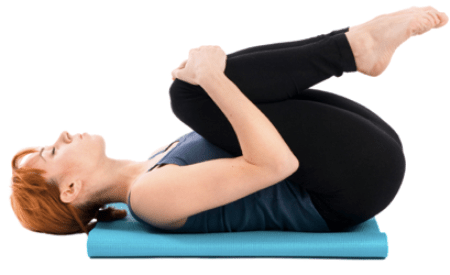
Why a Holistic Approach Matters
Treating pain effectively means addressing more than just the painful area. For example, someone with chronic back pain may benefit from more than back exercises—they may need support for lifestyle changes, stress management, or sleep improvements. A whole-person approach considers the patient’s entire life, helping to develop a personalized care plan. This creates a strong, trusting relationship between practitioner and patient, ultimately leading to better results.
Integrating Pilates into Pain Rehabilitation
Pilates can be an excellent choice for patients after they complete their initial treatment. Its focus on core stability and alignment makes it a safe, effective way to maintain progress. Pilates is especially helpful for those who haven’t found success with conventional therapies and those who want a gentler, adaptable exercise.
This method benefits everyone from athletes to individuals with limited mobility. Pilates offers a structured yet low-impact option for reintroducing movement, strengthening muscles, and improving posture—without stressing sensitive areas.
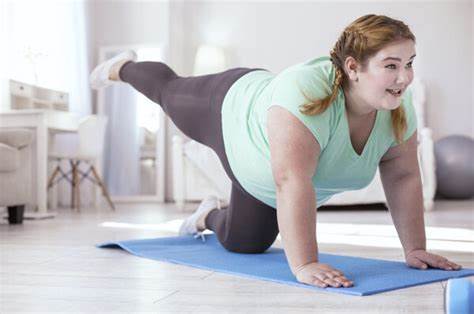

Shifting Focus from Pain to Function
A powerful part of pain management is shifting patients’ focus from their pain to what they can do, rather than what they cannot. Functional goals, such as moving with less discomfort or standing up straighter, help patients feel they are making progress. This positive shift in mindset can lead to hope and a sense of control over their pain.
Pilates helps patients achieve these functional goals through gradual improvement, allowing them to focus on real, meaningful progress. When patients regain the ability to do daily tasks comfortably, they experience more confidence and less focus on pain.
Setting Realistic Expectations for Chronic Pain
While full elimination of chronic pain isn’t always possible, patients can still experience major improvements. Shifting expectations from a “pain-free” outcome to a “comfortable” outcome, where pain is minimized and functionality is increased, is key. Pilates supports this by building strength and flexibility, allowing patients to achieve goals like better balance, posture, and mobility.


Pilates and the Opioid Crisis
As opioid dependence rises, non-drug-based methods are increasingly valuable for managing pain. Pilates offers a safe, drug-free option that helps patients improve movement and reduce pain without relying on medications. By strengthening muscles, enhancing balance, and improving movement quality, Pilates can help prevent injuries and falls while encouraging a healthier lifestyle.
Takeaway
Pilates is an effective, holistic tool for managing chronic pain and improving quality of life. It encourages patients to shift their focus from pain to achievable goals, like better movement and posture, all without relying on medications. By taking a patient-centered, functional approach, Pilates helps people move beyond pain and toward a more active, fulfilling life.
 Holistic Physio Osborne Park | Chronic Pain & Clinical Pilates – Design To Move
Leave a comment