

Chronic Illness Pacing – What Is It?
Managing energy with chronic illnesses such as chronic fatigue syndrome (CFS/ME) or fibromyalgia can be both challenging and frustrating. Fatigue becomes a daily obstacle, along with symptoms like pain, mental fog, and exhaustion. In the early stages of illness, many people push through their limits without recognizing the need to pace themselves—leading to crashes that worsen their symptoms.
Pacing is about working with your available energy rather than against it. This method, backed by research, helps reduce fatigue and prevent energy crashes. Over time, pacing can even increase your “energy envelope”—your ability to tolerate activity—and improve overall symptoms.
By monitoring and respecting your energy limits, pacing becomes an effective way to manage chronic illness. The goal is not to return to pre-illness activity levels immediately but to slowly improve quality of life without triggering setbacks.
7 Examples of Pacing for Energy Management
Take Longer to Complete Tasks
Instead of trying to finish tasks like cleaning the entire house in one go, break them into smaller sections. For example, vacuum the floors one day and mop the floors the next. While this approach takes longer, it helps conserve your energy and keeps you from crashing. Think of yourself as the tortoise, not the hare—slow, steady, and intentional.
Pro tip: Invest in a robotic vacuum cleaner to save energy for more enjoyable activities.
Break Up Each Task With Frequent Rests
Whatever task you’re working on—whether it’s cleaning, gardening, or computer work—frequent rest breaks are essential. Try working for 15-20 minutes, then rest for the same amount of time.
Alternate activities: If you’ve been sitting, get up and stretch. If you’ve been doing physical tasks, take a moment to sit quietly and relax.
Set timers on your phone to remind you to pause. This helps avoid overexertion, especially when you get absorbed in an activity.


Break Each Job Into Smaller Portions
Divide large jobs into smaller, manageable tasks.
- Iron only shirts one day, and leave bed linens for another.
- Similarly, spread laundry tasks over multiple days instead of tackling them all at once.
Sitting while completing tasks can also help conserve energy. Consider using a rolling stool while cooking or folding laundry to make movement easier.
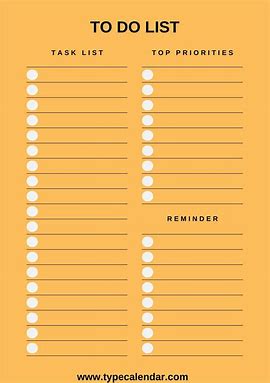
Reduce Your Daily To-Do List
It’s important to adjust your expectations and accept that not everything will get done. Keep your daily to-do list short and prioritize what matters most.
Avoid adding too many items that you feel you should do—allow yourself to rest and recover.
Focus on essential tasks and ones that bring you joy.

Don’t Overcommit to Social Activities
Socializing, while enjoyable, can drain energy just as much as physical activity. Be mindful of your limits and avoid overcommitting.
Short one-on-one visits with friends might be manageable, while large social gatherings may leave you exhausted for days.
Learn to say no or leave early when you start feeling fatigued. Remember, it’s better to enjoy brief, meaningful moments than to overexert yourself.
Pace Yourself on Good Days, Too
On days when you feel energetic, it’s tempting to do as much as possible—but this can quickly lead to setbacks.
Use the extra energy to tackle tasks you find difficult, but don’t overdo it. Consistent pacing helps prevent the crash-and-recovery cycle.
Even on good days, continue taking frequent breaks and set timers for activities.


Use a Digital Tracker to Monitor Activity
Devices like Fitbits or smartwatches are commonly used to track fitness goals, but they can also help monitor energy levels.
Track your sleep patterns and activity levels to understand your energy baseline better.
Set the tracker to alert you when you reach your daily step limit, helping you avoid overexertion.
Putting It All Together
Learning the art of pacing takes time, but it can be an essential tool in managing chronic illness. By understanding your baseline energy and respecting your limits, you can avoid energy crashes and reduce symptom flares.
If you’ve found pacing techniques that work well for you, we’d love to hear about them—leave a comment below to share your experience!
Pacing offers hope by giving you control over your energy and illness. It doesn’t just help you manage your symptoms—it empowers you to live more fully within your energy envelope.
 Holistic Physio Osborne Park | Chronic Pain & Clinical Pilates – Design To Move
Leave a comment